Patrick Soon-Shiong Net Worth 2022: The Billionaire Behind Biotech, Media, and Controversy
The Man Who Turned Science into a Billion-Dollar Empire
Patrick Soon-Shiong’s name is synonymous with audacity—both in medicine and business. A self-made billionaire who fled apartheid-era South Africa with nothing but a dream, he built an empire spanning biotechnology, media, and philanthropy. By 2022, his Patrick Soon-Shiong net worth had ballooned to an estimated $15.6 billion, cementing his status as one of the most influential figures in modern healthcare and digital journalism. But how did a surgeon with a Ph.D. transition from operating rooms to owning the Los Angeles Times? And what investments—some controversial, others groundbreaking—propelled his Patrick Soon-Shiong net worth 2022 to such astronomical heights?
His journey isn’t just about money; it’s about defiance. Soon-Shiong arrived in the U.S. as a refugee, armed with a medical degree and a relentless drive to innovate. Today, his companies develop life-saving cancer treatments, his media ventures reshape journalism, and his political ambitions stir debate. Yet, for every breakthrough, there’s a misstep—like the $700 million purchase of the Los Angeles Times in 2018, a move that initially baffled critics but later revealed his long-term vision. The question lingers: Was this a gamble, or a masterstroke in diversifying his Patrick Soon-Shiong net worth beyond biotech?
What’s undeniable is the scale of his influence. His Patrick Soon-Shiong net worth 2022 reflects not just financial acumen but a high-stakes bet on the future—one where science, media, and power intersect. From pioneering stem-cell therapies to funding political campaigns, Soon-Shiong operates at the intersection of philanthropy and profit. But as his empire expands, so do the questions: Is his wealth sustainable? What risks could threaten his fortune? And why does the world watch his every move?
The Complete Overview
Historical Background and Evolution
Patrick Soon-Shiong’s path to becoming a billionaire is a study in resilience. Born in 1952 in Johannesburg, South Africa, he witnessed the brutality of apartheid firsthand. His father, a Chinese immigrant, and his mother, a South African nurse, instilled in him both ambition and a deep sense of justice. Soon-Shiong fled to the U.S. in 1974 with $100 in his pocket, enrolling at the University of California, Los Angeles (UCLA), where he earned degrees in biochemistry and medicine.His early career was marked by groundbreaking work in transplant surgery and immunology. By the 1990s, he had developed anti-rejection drugs that revolutionized organ transplants, a field where rejection was once a death sentence. These innovations laid the foundation for his first major financial windfall. In 1998, he co-founded Nexstar Pharmaceuticals, which went public in 2000, catapulting his Patrick Soon-Shiong net worth into the hundreds of millions.
The real turning point came in 2006 with the launch of Nexstar’s cancer-fighting drug, Provenge (sipuleucel-T), the first FDA-approved immunotherapy for prostate cancer. Though the drug’s commercial success was modest, it validated Soon-Shiong’s approach to biotech innovation. His next move—selling Nexstar to Dendreon for $3 billion in 2009—was a masterclass in timing, doubling his personal fortune overnight.
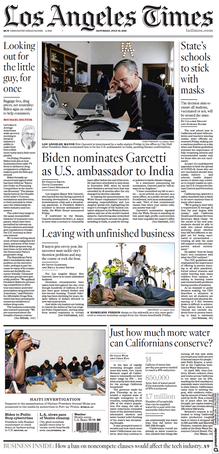
But Soon-Shiong wasn’t satisfied with being just a scientist-entrepreneur. He diversified aggressively, investing in stem-cell research, digital health, and even cryptocurrency. By 2018, his Patrick Soon-Shiong net worth had surged past $10 billion, thanks to stakes in companies like Celgene (now Bristol Myers Squibb) and Gilead Sciences. His most audacious play, however, was acquiring the Los Angeles Times for a staggering $500 million in cash and $200 million in debt, a deal that critics dismissed as reckless but Soon-Shiong framed as a long-term bet on journalism’s future.
Core Mechanisms: How It Works
Soon-Shiong’s wealth isn’t just the result of luck—it’s a calculated strategy built on three pillars:- Biotech Dominance
- Media and Digital Influence
- High-Risk, High-Reward Investments
The result? A Patrick Soon-Shiong net worth 2022 that’s not just passive—it’s active, adaptive, and aggressive.
Key Benefits and Impact
"Wealth is not just about money; it’s about the ability to change the world." — Patrick Soon-ShiongMajor Advantages
- Revolutionizing Cancer Treatment
- Media as a Force for Good
- Philanthropic Leverage
- Political and Policy Influence
- Diversification Beyond Biotech
Comparative Analysis
| Aspect | Patrick Soon-Shiong | Jeff Bezos | Elon Musk | Mark Zuckerberg |
|---|---|---|---|---|
| Primary Industry | Biotech, Media | E-commerce | Tech, Space | Social Media |
| Net Worth Growth (2010-2022) | +$15B (Biotech + Media) | +$180B (Amazon) | +$150B (Tesla, SpaceX) | +$100B (Meta) |
| Key Acquisition | Los Angeles Times ($700M) | Washington Post ($250M) | Twitter ($44B) | Within Meta (Acquisitions like Instagram) |
| Political Involvement | Heavy Democratic donor | Neutral (but influential) | Neutral (but polarizing) | Liberal advocacy |
| Risk Tolerance | High (Biotech is volatile) | Moderate (Amazon diversified) | Extreme (SpaceX, Neuralink) | Moderate (Meta’s AI bets) |
Future Trends
Soon-Shiong’s next decade will likely focus on:- AI-Driven Drug Discovery
- Space-Based Biotech
- Media Consolidation
- Cryptocurrency and DeFi
- Political Power Play
Conclusion
Patrick Soon-Shiong’s Patrick Soon-Shiong net worth 2022 isn’t just a number—it’s a living experiment in how science, media, and politics can intersect to create wealth and impact. His journey from apartheid refugee to billionaire mogul is a testament to vision, risk-taking, and relentless innovation.Yet, his story also raises questions:
- Can his biotech bets sustain his fortune as drug development cycles lengthen?
- Will his media investments pay off in a post-ad-revenue world?
- How will regulatory shifts (e.g., FDA crackdowns on stem-cell therapies) affect his empire?
One thing is certain: Patrick Soon-Shiong isn’t done yet. Whether through new breakthroughs, media dominance, or political maneuvering, his Patrick Soon-Shiong net worth will continue to evolve—just as he has.
Comprehensive FAQs
Q: What is Patrick Soon-Shiong’s net worth in 2022?
By 2022, Patrick Soon-Shiong’s net worth was estimated at $15.6 billion, according to Forbes. This figure reflects his biotech empire (Nexstar, Celgene stakes), media investments (
Los Angeles Times), and high-risk ventures (cryptocurrency, space tech). His wealth saw significant growth after the Provenge drug approval (2010) and the $700 million LA Times acquisition (2018).Q: How did Patrick Soon-Shiong make his money?
Soon-Shiong’s fortune stems from three core pillars:
- Biotech Innovations – His immunotherapy drugs (Provenge) and stem-cell therapies generated billions through Nexstar Pharmaceuticals and later Celgene (now Bristol Myers Squibb).
- Media Acquisition – The $700 million purchase of the
Q: Why did Patrick Soon-Shiong buy the Los Angeles Times?
Soon-Shiong’s acquisition was
not just about journalism—it was a multi-layered strategy:Q: What are the biggest risks to Patrick Soon-Shiong’s wealth?
Despite his success, Soon-Shiong’s
Patrick Soon-Shiong net worth faces three major risks:Q: Is Patrick Soon-Shiong involved in politics?
Yes. Soon-Shiong is a
major Democratic donor, contributing over $100 million to pro-science, pro-innovation candidates. His 2020 donations to Joe Biden ($10M) and support for California’s Prop 46 (medical malpractice reform) reflect his pro-biotech, pro-healthcare policy stance. Critics argue his political spending may favor his business interests, while supporters see it as philanthropy with a purpose.Q: What is Patrick Soon-Shiong’s next big move?
Analysts speculate his next major plays could include:
**
